
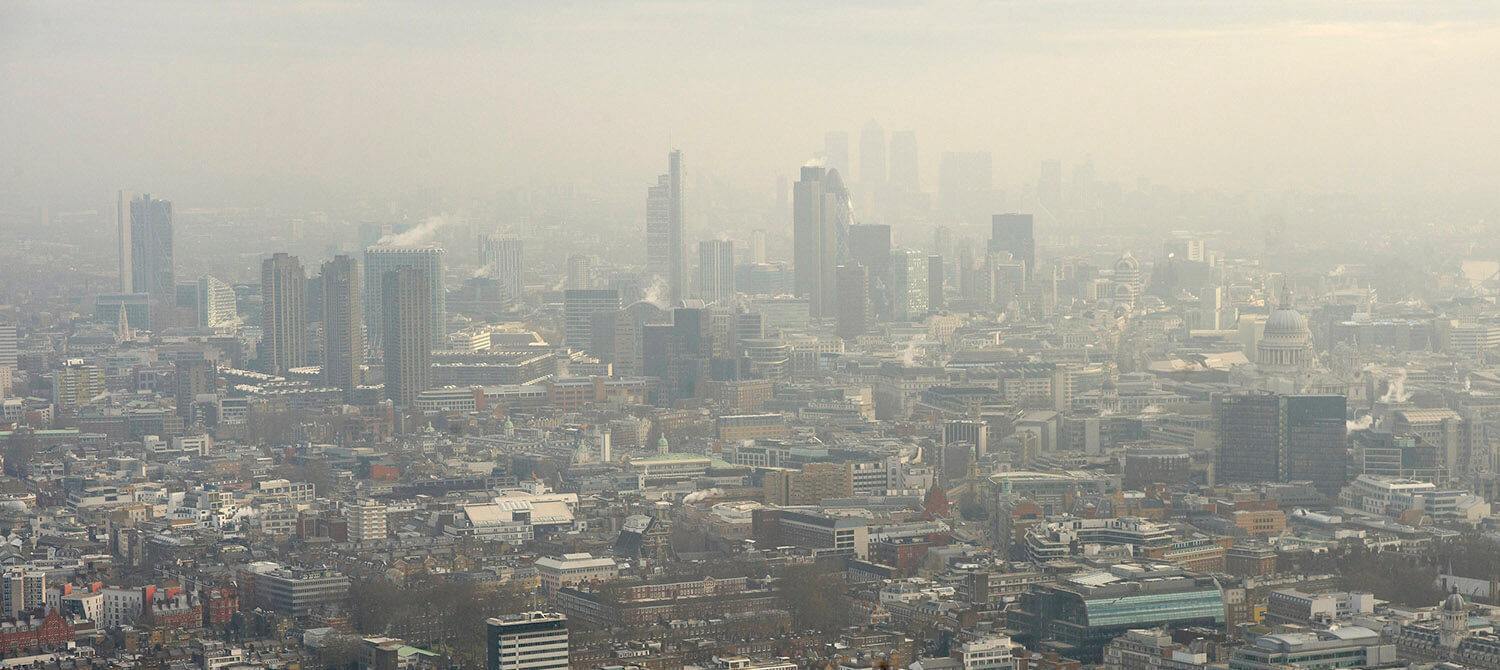
Air Pollution

What is air pollution?
Air pollution is the release of particles and noxious gases into the atmosphere. These emissions have a huge impact on human health.
The two pollutants of most concern to us are nitrogen dioxide (NO2), which mostly comes from transport, especially diesel, and particulate matter (PM2.5), most of which comes from domestic burning, vehicle tyres and brakes and industry.
Indoor air pollution from cooking, wood burning stoves, cleaning products, paints and mould is increasingly recognised as a serious health issue.
The health impacts of air pollution
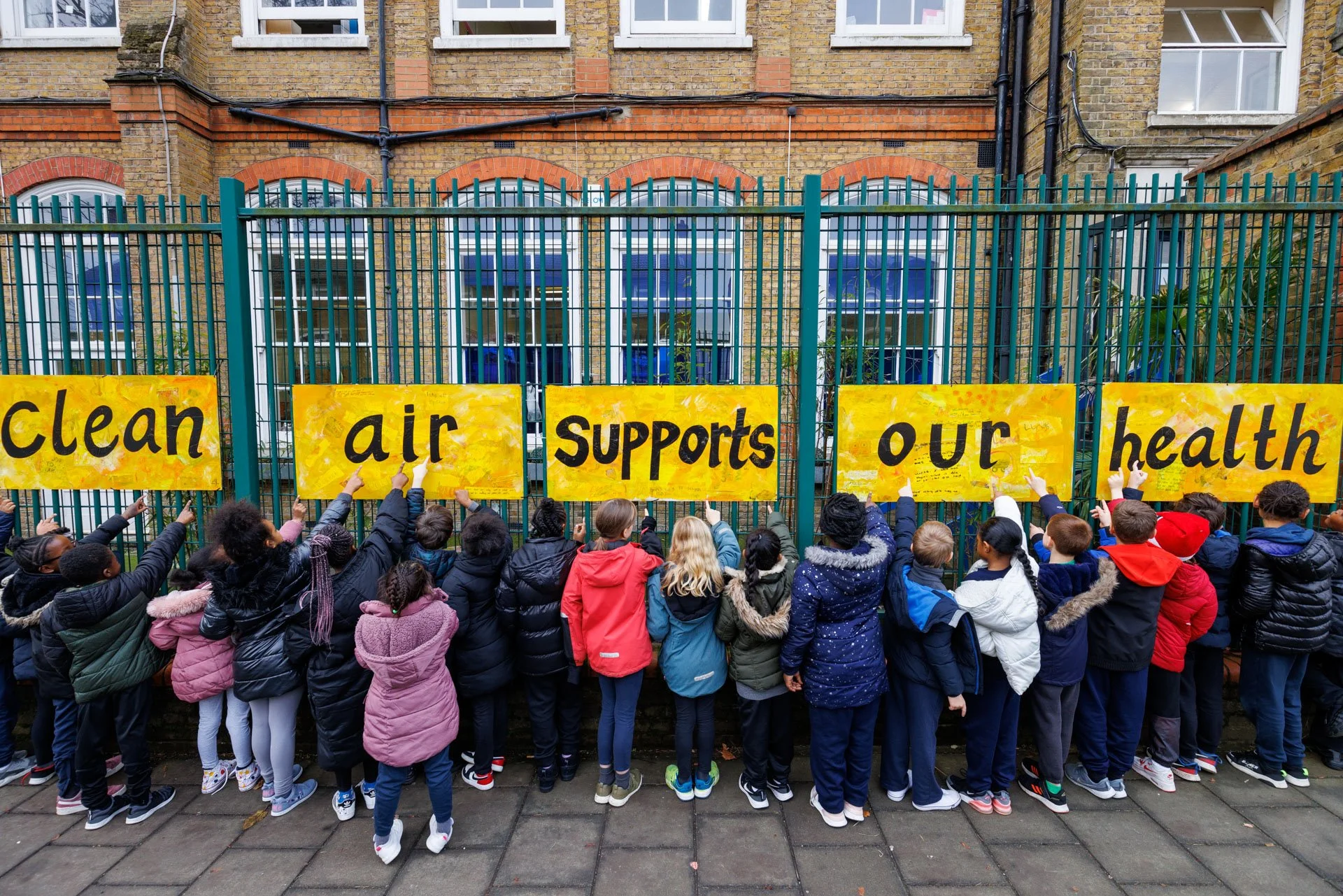
Air pollution affects almost every organ in the body. It is linked to heart disease, lung conditions such as asthma and COPD,stunted lung growth in children, stroke, and dementia. Long-term exposure to particulate matter and nitrogen dioxide has been linked to more than 700 health conditions.
Around 30,000 deaths per year in the UK are estimated to be attributed to air pollution.
The economic cost is enormous - £27 billion a year in healthcare costs and lost productivity, rising to as much as £50 billion when the wider impacts of dementia are included.
Air pollution does not affect everyone equally. It disproportionately impacts people living in lower income and more deprived areas, and particularly affects neighbourhoods with higher ethnic minority populations.
Pollutants and their sources
Nitrogen oxides and nitrogen dioxide
Nitrogen dioxide (NO2) is a toxic gas produced when fuel is burned at high temperatures. It irritates the airways and with long-term exposure, contributes to heart disease and lung cancer. Nitrogen oxides (NOx) is the collective term for the group of gases that includes NO2.
Road transport is estimated to be responsible for 49% of NOx emissions in the UK, with diesel engines a major contributor.
NO2 levels have reduced in some areas of the UK over the last decade, partly due to Clean Air Zones introduced in cities including London, Birmingham, Bradford and Bristol, but progress has been too slow. 95% of neighbourhoods in England and Wales still exceed World Health Organization (WHO) guidelines for NO2 or PM2.5, with WHO guidelines being far stricter than the UK's legal limits.
Particulate matter
Particulate matter (PM2.5) is made up of tiny particles of solids or liquids suspended in the air. PM2.5 comes from many sources, including road transport, wood burning, and industry. In urban areas, the most significant sources are vehicle tyres and brakes, and domestic wood burning.
The smallest particles are too small to see and too small to be filtered out by the body. They enter via the lungs and can settle anywhere - including the brain. They have also been found to cross placentas.
In 2024, road transport contributed 21% of PM2.5 emissions in the UK - mostly from non-exhaust sources like tyre and brake wear rather than exhausts. Domestic combustion contributed 20%, the majority of which came from wood burning indoors.
PM2.5 is the biggest driver of air pollution-related deaths worldwide. There is no safe level of exposure.
Indoor air pollution
Pollutants aren't only a problem outside. Cooking (especially on gas hobs), wood burning stoves, cleaning products, paints, mould, candles and even furniture all release pollutants into the air we breathe at home. Indoor air pollution is increasingly recognised as a serious health issue, particularly for children and those with existing health conditions. There is emerging evidence of the urgent need for policy action to tackle this overlooked health risk.
Are you affected by air pollution?
Please tell us about it - we’re collecting personal experiences about how air pollution affects people's health and well-being. This supports our campaign efforts with both local and national government, who won’t hear the everyday ways that people’s lives are affected unless we tell them. Thank you!
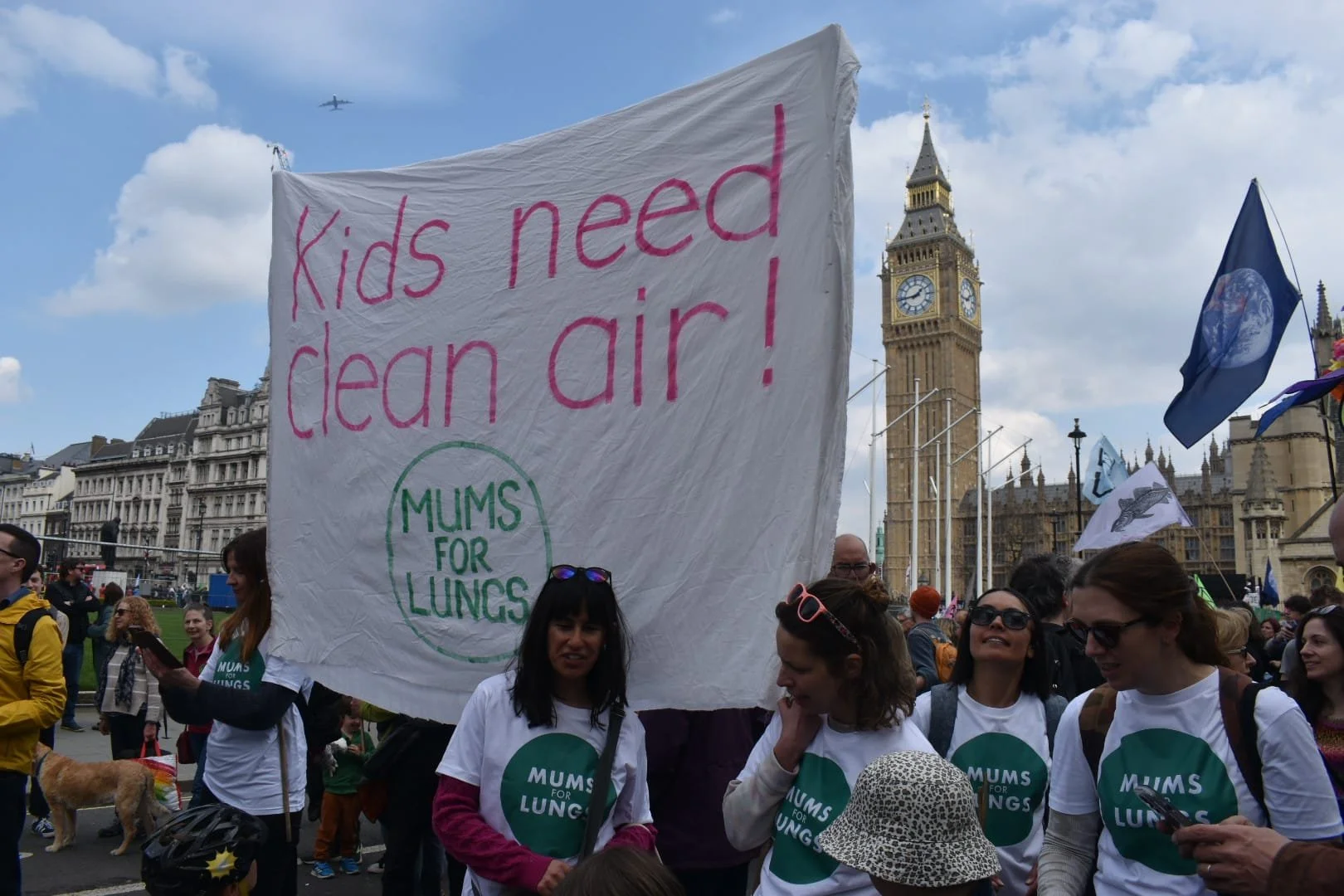
“My son coughs a lot and I worry about the impact pollution is having on him. Clean air is a basic right: I want the government to take urgent action to protect our health”
How can we clean up our air?
-
Government action
We need the government to strengthen its legislative targets and align UK air pollution limits with World Health Organization (WHO) guidelines. This would enable stronger policies to reduce air pollution at source.
The EU revised its air pollution targets in 2024 to move closer to WHO standards, but the UK has not followed suit.
We also need a national public health awareness campaign, so that the public can better understand the causes and impacts of air pollution, and the urgent need for strong action.
-

Diesel phase-out
Diesel cars account for more than half of all NOx emissions from road transport in the UK.
London’s ULEZ has shown that reducing the number of diesel engines is an effective step towards cleaning up our air.
We need a clear timeline from government to phase out existing diesel vehicles and for car manufacturers to fund the recall of cars failing emissions testing. Local authorities can implement emissions-based parking charges and create Zero Emissions Zones, among other policies.
-
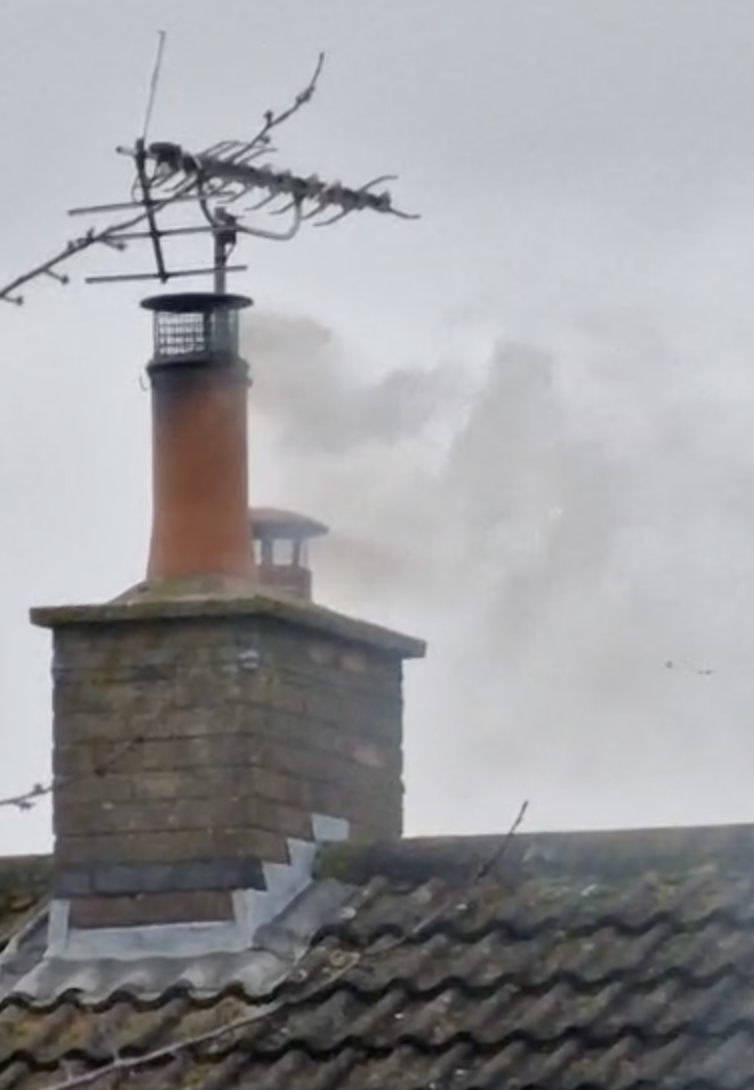
Wood burning
Domestic combustion in the UK is a growing problem that needs far stronger action.
We need the government to launch a public health campaign to raise awareness of the dangers of wood burning stoves and open fires, to label wood burning stoves as harmful, and give local authorities effective powers and funding to stop unlawful burning.
Ultimately, we need to phase out non-essential wood burning.
-
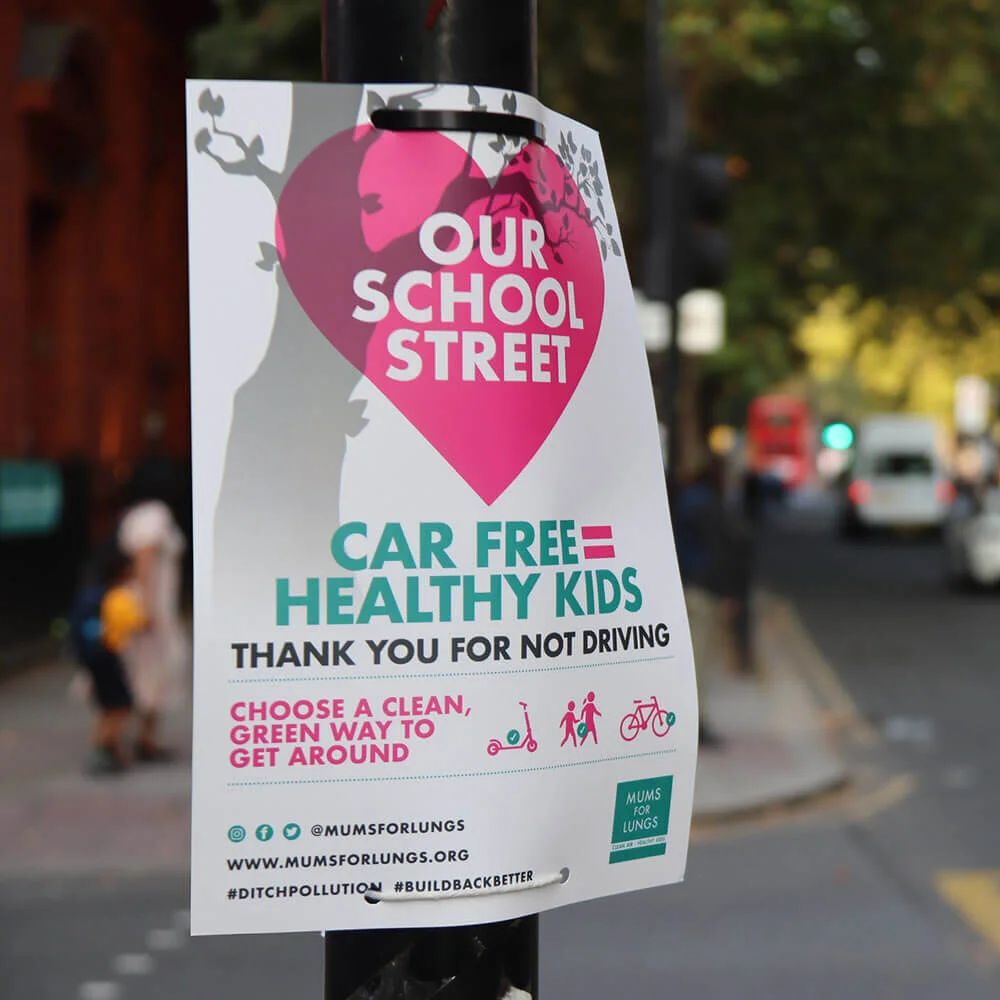
School Streets
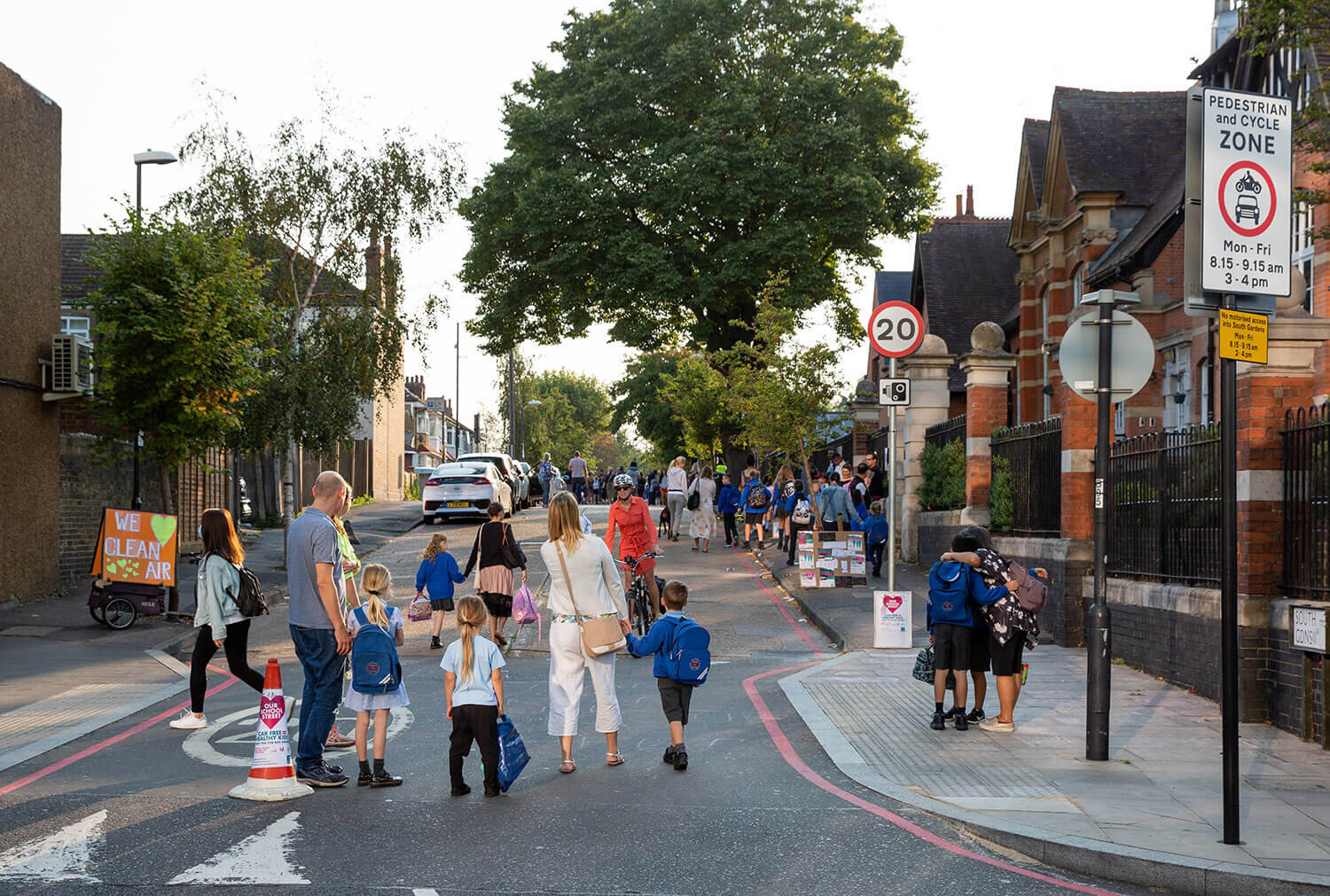
School Streets protect children by restricting motor traffic outside schools, and are proven to reduce traffic, road danger and air pollution in the areas where children are most exposed.
We want to see all feasible schools, secondaries as well as primaries, implementing the scheme, with camera enforcement. We also need options for main road schools, including green screens to reduce the level of pollution within the school grounds, moving school entrances and playgrounds, and implementing controlled parking zones from 8:30am to 6pm around schools.
FREQUENTLY ASKED QUESTIONS
Find out the answers to some common air pollution questions.